

What’s the Difference Between Welding and Code Welding?
Read The Article
Fabrication Division
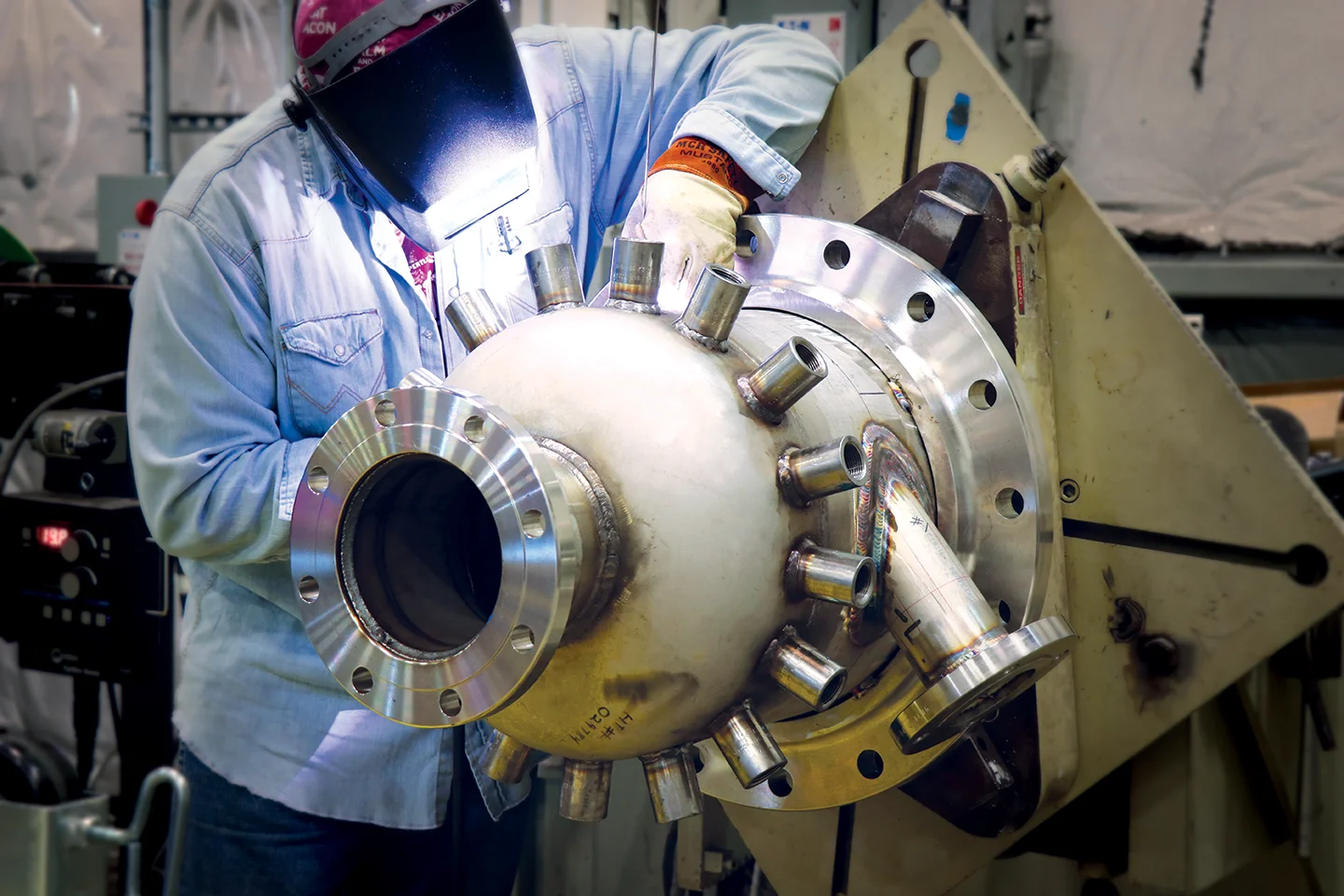
What’s the Difference Between Welding and Code Welding?
FROM PRESSURE VESSELS TO PROCESS PIPING, PRECISION MATTERS.
When it comes to industrial construction, not all welds are created equal. While welding is a common process across many industries, code welding follows strict standards that directly impact safety, compliance, and long-term performance. Understanding the difference isn’t just technical—it’s critical for protecting your people, your facility, and your investment.
Why It Matters for Your Project
Choosing a contractor that performs code welding isn’t just about compliance—it’s about confidence.
- Nitro Construction Services brings over 65 years of experience across mechanical, fabrication, and industrial systems, delivering projects that meet the highest standards of safety and performance.
- When your systems operate under pressure, there’s no room for shortcuts.
What Is Welding?
At its core, welding is the process of joining materials—typically metals—using heat, pressure, or both. It’s used in everything from structural steel to piping systems and equipment fabrication.
In general applications, welding focuses on:
- Strength and durability
- Proper bonding of materials
- Visual and structural integrity
What Is Code Welding?
Code welding goes a step further. It requires welds to meet strict industry standards set by organizations like ASME (American Society of Mechanical Engineers) and NBIC (National Board Inspection Code).
At Nitro Construction Services, code welding includes:
- Certified welders and inspectors
- Documented procedures and qualifications
- Strict adherence to ASME and NBIC standards
- Inspection, testing, and traceability
These standards are especially important in high-risk systems like:
- Pressure vessels
- Process piping
- High-temperature or high-pressure environments
Nitro maintains compliance with these standards through certified teams, QA/QC oversight, and proven processes
Why Code Welding Matters
The difference between welding and code welding often comes down to risk.
- Safety Improper welds can fail under pressure, leading to leaks, system failures, or catastrophic incidents.
- Compliance Industries like manufacturing, energy, and chemical processing require adherence to ASME and NBIC codes.
- Inspection & Accountability Code welding includes documented inspections and traceability—ensuring every weld can be verified.
- Longevity & Performance Code-compliant welds are designed to withstand extreme conditions over time.
The Role of Certified Welders and Inspectors
One of the biggest differences in code welding is who performs and verifies the work.
At Nitro:
- Welders are certified in multiple processes (TIG, MIG, Stick, Fluxcore)
- Certified Welding Inspectors (CWIs) ensure compliance
- A full-time QA/QC program oversees quality and documentation
This ensures every weld meets the highest industry standards—not just visually, but structurally and legally.
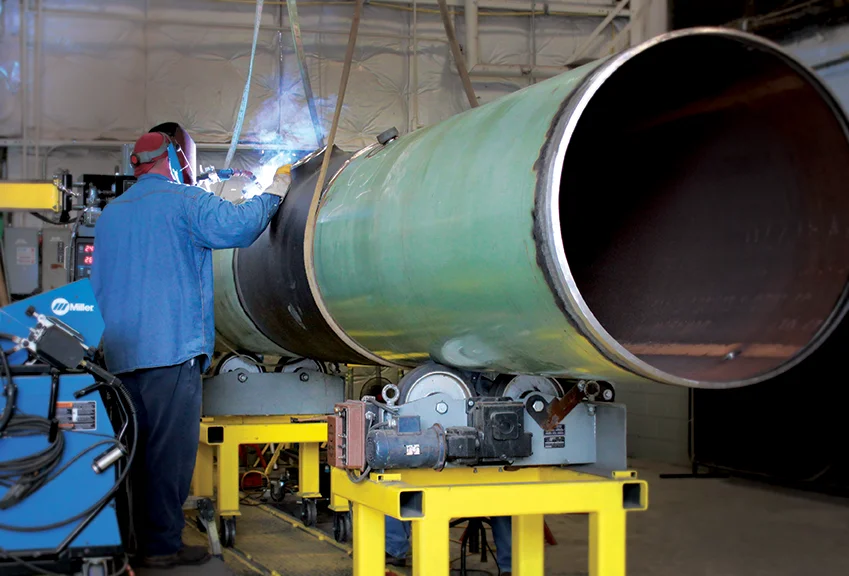
Building the Future, One Project at a Time
Ready to Talk?
If your project involves pressure systems, process piping, or critical infrastructure, make sure it’s done right—from the weld up. Contact Nitro Construction Services today to learn more about our certified welding and fabrication capabilities.
Get Started
