

WHAT HAPPENS DURING A FIRE SPRINKLER INSPECTION?
Read The Article
Fire Protection Division
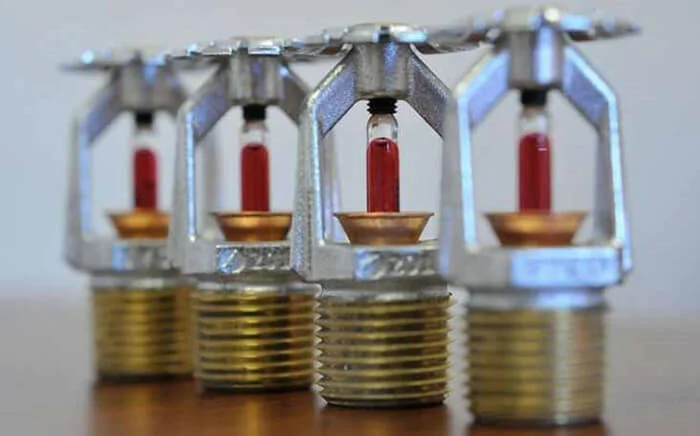
YOUR FIRE SPRINKLER SYSTEM MAY LOOK READY—but AN INSPECTION GOES FAR BEYOND WHAT YOU CAN SEE.
REGULAR INSPECTIONS HELP IDENTIFY CONDITIONS THAT COULD AFFECT HOW YOUR SYSTEM PERFORMS WHEN IT MATTERS MOST.
Fire sprinkler systems spend most of their service life waiting for the moment they’re needed. That makes regular inspection an important part of ensuring system components remain in proper condition and ready to perform. During a fire sprinkler inspection, trained professionals evaluate key components, look for visible deficiencies, verify system conditions, and identify issues that may require additional testing, maintenance, or repair. Knowing what happens during an inspection can help facility managers better understand what technicians are looking for—and why those details matter.
Why It Matters for Your FACILITY
A FIRE PROTECTION SYSTEM CAN ONLY PROTECT YOUR FACILITY IF ITS COMPONENTS ARE READY TO PERFORM.
- Changes inside a facility can occur gradually. Equipment gets moved, storage layouts change, components age, and seemingly minor conditions can affect a fire sprinkler system over time.
- Nitro Construction Services provides fire protection inspection, testing, maintenance, and repair services for commercial and industrial facilities.
- Regular attention helps facility managers identify deficiencies, maintain system readiness, and stay ahead of fire protection concerns before an emergency puts the system to the test.
Are You Compliant?
WHAT DO TECHNICIANS LOOK FOR?
THE DETAILS THAT ARE EASY TO OVERLOOK CAN BE THE ONES THAT MATTER MOST DURING AN EMERGENCY.
A fire sprinkler inspection includes a visual evaluation of accessible system components and their condition. Depending on the system and required inspection, technicians may evaluate items such as:- Sprinkler heads
- Control valves
- Piping and fittings
- Pressure gauges
- Fire department connections
- Visible signs of leaks or corrosion
- Obstructions around sprinkler heads
INSPECTION VS. TESTING: WHAT’S THE DIFFERENCE?
LOOKING AT A SYSTEM AND VERIFYING HOW IT PERFORMS ARE TWO DIFFERENT PARTS OF FIRE PROTECTION.
-
Inspection and testing are closely related, but they aren’t the same thing.
An inspection generally evaluates the physical condition and status of system components. Testing involves operating or evaluating components to verify that they perform as intended.
Depending on the system, testing may involve:
- Waterflow devices
- Alarm components
- Control valves
- Fire pumps
- Pressure conditions
- Other system-specific equipment
WHAT HAPPENS IF A PROBLEM IS FOUND?
FINDING A DEFICIENCY ISN’T THE END OF AN INSPECTION—IT’S THE BEGINNING OF KNOWING WHAT NEEDS ATTENTION.
When an inspection identifies a concern, the issue should be documented so facility personnel understand what was found and what action may be required. Examples can include:
- Damaged sprinkler heads
- Improper valve positions
- Corrosion or leaks
- Obstructed sprinklers
- Gauge concerns
- Missing or damaged components
Some deficiencies may require straightforward corrections, while others may call for further evaluation or repair. Clear documentation helps facility managers prioritize the next steps.
HOW OFTEN SHOULD YOUR SYSTEM BE INSPECTED?
Different components of a fire sprinkler system may require inspection or testing at different intervals. The appropriate schedule can depend on the type of system, equipment involved, applicable codes and standards, facility conditions, and other requirements. Rather than relying on a single annual date for everything, facility managers should maintain an inspection and testing schedule appropriate for their specific fire protection systems. Keeping accurate records can also help track completed work, identified deficiencies, repairs, and upcoming service requirements.
Fire Safety Checklist
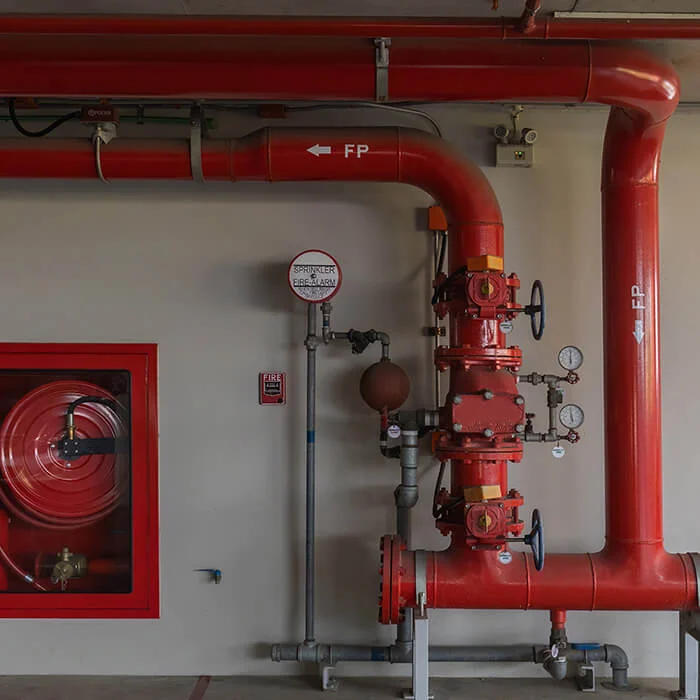
STAYING READY BETWEEN INSPECTIONS
SYSTEM READINESS DEPENDS ON WHAT HAPPENS BETWEEN FORMAL INSPECTIONS, TOO.
Facility conditions can change long before the next scheduled fire sprinkler inspection.
Facility teams should remain aware of changes that could affect fire protection, including:
- New storage configurations
- Renovations or construction
- Damaged sprinkler components
- Blocked valves or equipment
- Visible leaks or corrosion
- Changes to building use or layout
When something changes, don’t assume the existing fire protection system automatically accommodates it.
Ongoing awareness combined with professional inspection, testing, and maintenance helps support system readiness throughout the year.
DON'T WAIT FOR AN EMERGENCY TO FIND OUT WHETHER YOUR SYSTEM IS READY.
SCHEDULE YOUR FIRE PROTECTION INSPECTION
Fire sprinkler systems are designed to protect people, property, and operations—but maintaining that protection requires ongoing attention. Nitro Construction Services provides fire protection inspection, testing, maintenance, and repair services for commercial and industrial facilities. Contact our team today to schedule an inspection or discuss the fire protection needs of your facility.
Get Started
