

WHEN “CLOSE ENOUGH” ISN’T CLOSE ENOUGH: WHY EQUIPMENT CALIBRATION MATTERS
Read The Article
Mechanical Division
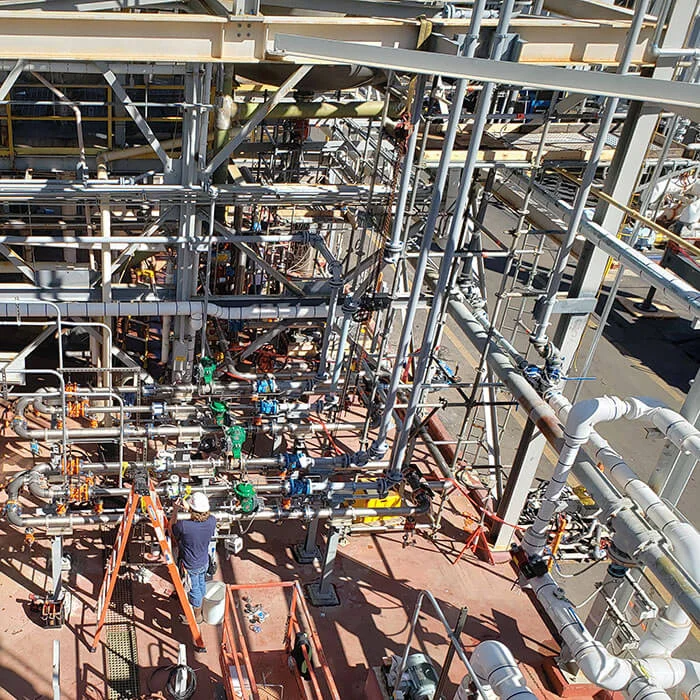
IN AN INDUSTRIAL PROCESS, A SMALL MEASUREMENT ERROR CAN CREATE A MUCH BIGGER PROBLEM DOWNSTREAM.
CALIBRATION HELPS ENSURE THE EQUIPMENT YOUR OPERATION RELIES ON IS MEASURING, RESPONDING, AND PERFORMING AS EXPECTED.
Industrial processes depend on accuracy. From monitoring pressure and temperature to controlling flow and other operating conditions, facilities rely on equipment and instrumentation to provide dependable information. Over time, however, equipment can drift away from its intended settings or measurements. Calibration helps identify and correct those differences by comparing equipment performance against an established reference and making adjustments when necessary. For facility managers, that precision can play an important role in process consistency, equipment performance, and reliable operations.
Why It Matters for Your FACILITY
Even when equipment appears to be operating normally, inaccurate measurements or settings can affect the processes that depend on them.Millwright Services
- Nitro Construction Services includes process equipment calibration and adjustment among its Mechanical maintenance capabilities, helping facilities fine-tune equipment for precision and efficient operation.
- Routine attention to calibration gives operators greater confidence that critical equipment is providing information they can rely on.
WHAT DOES EQUIPMENT CALIBRATION A ACTUALLY MEAN?
CALIBRATION ISN’T ABOUT GUESSING WHETHER SOMETHING LOOKS RIGHT—IT’S ABOUT CHECKING PERFORMANCE AGAINST A KNOWN REFERENCE.
Calibration is the process of comparing the measurement or output of a device with an established reference to determine whether it is operating within the required range.
Depending on the equipment and application, calibration may involve devices used to monitor or control conditions such as:
- Pressure
- Temperature
- Flow
- Level
- Other process variables
If a difference is identified, the equipment may require adjustment, repair, or further evaluation.
The goal is straightforward: help ensure the information used to operate and control a process can be trusted.
WHY DOES EQUIPMENT LOSE ACCURACY?
ACCURACY CAN CHANGE GRADUALLY—WHICH MEANS A PROBLEM MAY DEVELOP LONG BEFORE IT BECOMES OBVIOUS.
Industrial equipment operates in demanding environments. Repeated use and changing operating conditions can affect components over time.
Factors that may influence equipment accuracy or performance can include:
- Normal wear
- Vibration
- Temperature changes
- Environmental conditions
- Component aging
- Process demands
- Previous maintenance or repairs
Because changes may happen gradually, operators may not immediately recognize that a measurement has begun to drift.
Regular calibration provides an opportunity to catch those changes before they become larger operational concerns.
HOW DO YOU MOVE AND SET INDUSTRIAL EQUIPMENT?
A SMALL ERROR AT ONE POINT IN A PROCESS CAN AFFECT MUCH MORE THAN A SINGLE READING.
Industrial systems often depend on multiple pieces of equipment working together. When one device provides inaccurate information, the effect can extend beyond that individual component.
Depending on the process, inaccurate measurements can contribute to:
- Inconsistent process conditions
- Reduced product or process quality
- Inefficient equipment operation
- Unnecessary equipment adjustments
- Troubleshooting difficulties
- Increased wear on connected equipment
Accurate information gives operators a stronger foundation for making decisions about the systems they manage.
CALIBRATION AND MAINTENANCE WORK TOGETHER
Traditional maintenance often focuses on the physical condition of equipment—looking for wear, leaks, vibration, damage, or other signs of a problem. Calibration adds another layer by asking whether the equipment is still measuring or responding accurately. Together, maintenance and calibration can help facilities evaluate both condition and performance. Incorporating calibration into an ongoing maintenance strategy can also help identify changes over time and give facility teams a clearer understanding of equipment health.
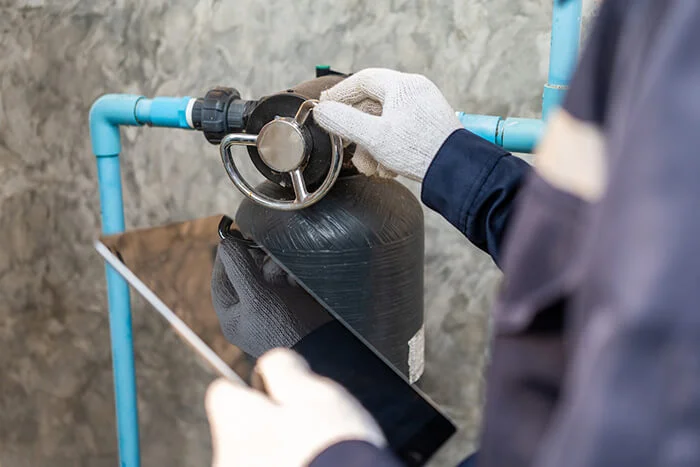
PRECISION SUPPORTS RELIABLE OPERATIONS
THE MORE YOUR PROCESS DEPENDS ON ACCURATE INFORMATION, THE MORE IMPORTANT THAT ACCURACY BECOMES.
Calibration requirements aren’t identical for every facility or every piece of equipment. The appropriate approach depends on the process, equipment, operating environment, and level of accuracy required. What remains consistent is the value of knowing that critical equipment is performing as expected. Nitro Construction Services supports industrial operations through mechanical maintenance, process equipment calibration and adjustment, equipment installation, piping systems, welding, rigging, and other mechanical capabilities. That broader mechanical expertise helps facilities approach individual equipment needs as part of the larger operation around them.
RELIABLE OPERATIONS START WITH EQUIPMENT YOU CAN TRUST.
PUT PRECISION TO WORK IN YOUR FACILITY
Industrial processes depend on accurate information and dependable equipment. Routine calibration and mechanical maintenance can help identify changes, address performance concerns, and keep critical systems operating as intended. Nitro Construction Services provides process equipment calibration and adjustment along with comprehensive mechanical construction and maintenance capabilities for industrial facilities. Contact our team today to discuss your facility’s mechanical maintenance and equipment needs.
Get Started
