

WHAT IS A VARIABLE FREQUENCY DRIVE—AND WHY DOES IT MATTER?
Read The Article
Electrical Division
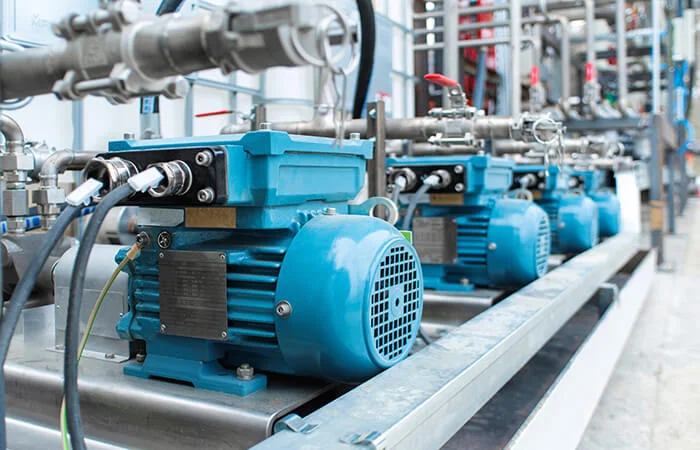
NOT EVERY MOTOR NEEDS TO RUN AT FULL SPEED ALL THE TIME.
VARIABLE FREQUENCY DRIVES GIVE FACILITIES GREATER CONTROL OVER HOW AND WHEN ELECTRIC MOTORS DO THEIR WORK.
Electric motors power countless systems throughout industrial facilities—from pumps and fans to conveyors and process equipment. But operating every motor at full speed isn’t always necessary for the task at hand. A Variable Frequency Drive, commonly called a VFD, provides a way to control the speed and operation of an AC motor by adjusting the electrical frequency and voltage supplied to it. That added control can help facilities better match motor output to actual operating demands while supporting process control, equipment performance, and energy efficiency.
Why It Matters for Your FACILITY
Motors are responsible for a significant amount of work throughout industrial operations. How those motors are controlled can affect equipment operation, energy use, and the processes they support.
- Nitro Construction Services provides VFD installation, programming, and integration as part of its industrial electrical capabilities, helping customers incorporate motor control into complex facility electrical systems.
WHAT EXACTLY IS A VFD?
THINK OF A VFD AS A WAY TO GIVE AN ELECTRIC MOTOR MORE THAN JUST “ON” AND “OFF.”
Without variable-speed control, some motors operate at a fixed speed whenever they’re running. A VFD allows motor speed to be adjusted based on the needs of the application.
The drive controls the electrical power supplied to the motor, allowing operators or automated systems to change its speed as operating conditions change.
VFDs are commonly paired with equipment such as:
- Pumps
- Fans and blowers
- Conveyors
- Compressors
- Process equipment
- Material handling systems
This makes them valuable wherever motor output needs to respond to changing operational demands.
HOW DOES A VFD CONTROL MOTOR SPEED?
MOTOR SPEED DOESN’T ALWAYS HAVE TO BE CONTROLLED MECHANICALLY—IT CAN START WITH THE POWER BEING DELIVERED TO THE MOTOR.
AC motor speed is closely related to the frequency of the electrical power supplied to it. A VFD electronically adjusts that frequency—and coordinates voltage accordingly—to control motor operation. Instead of simply supplying full power whenever equipment is switched on, the drive can vary motor speed to better match the needs of the process. Depending on the application, a VFD can also support controlled acceleration and deceleration, allowing equipment to transition between operating conditions more gradually.WHY NOT JUST RUN THE MOTOR AT FULL SPEED?
IF THE PROCESS ONLY NEEDS PART OF A MOTOR’S OUTPUT, RUNNING AT FULL SPEED MAY BE MORE THAN THE JOB REQUIRES.
Imagine a fan that doesn’t need maximum airflow all day or a pump serving a process with changing demand.
Rather than continuously operating the motor at full speed and controlling output elsewhere in the system, a VFD can adjust motor speed to better match the required workload.
That flexibility can support:
- More precise process control
- Reduced energy consumption in suitable applications
- Smoother equipment operation
- Controlled starting and stopping
- Greater adaptability as operating demands change
The result is motor operation that can respond more closely to what the facility actually needs.
WHERE CAN VFDs MAKE A DIFFERENCE?
VFDs can be incorporated into many industrial systems where electric motors support changing loads or processes.
Applications can include:
- Pumps and pumping systems
- HVAC fans and blowers
- Conveyors and material handling
- Manufacturing equipment
- Process systems
- Other motor-driven machinery
NCS also provides industrial controls and automation integration, allowing electrical and control systems to work together to support process efficiency and equipment performance.
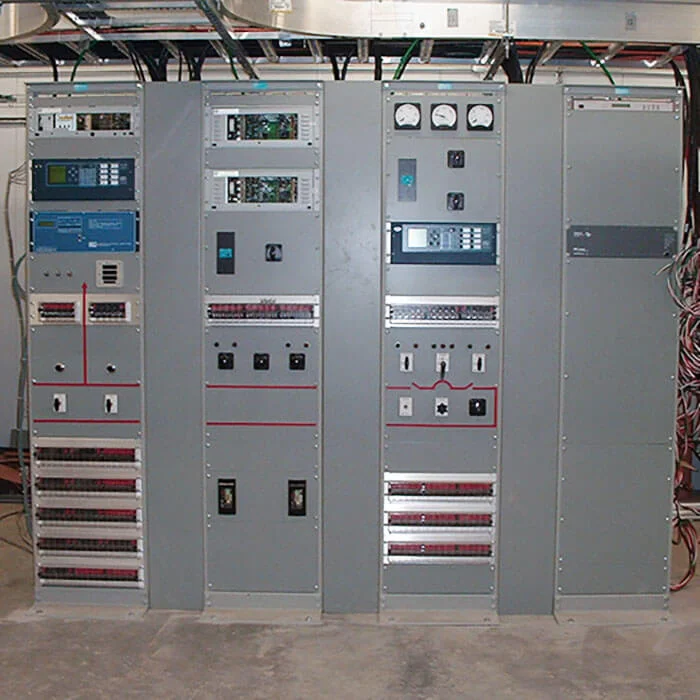
A VFD IS PART OF A LARGER SYSTEM
THE DRIVE MAY CONTROL THE MOTOR, BUT ITS PERFORMANCE DEPENDS ON HOW WELL IT FITS THE SYSTEM AROUND IT.
Adding a VFD isn’t simply a matter of connecting a device to a motor. The drive, motor, controls, electrical infrastructure, and operating requirements all need to work together. Proper selection, installation, programming, and system integration help ensure the VFD is suited to its application and communicates effectively with the equipment and controls around it. That’s where experienced industrial electrical expertise becomes important. Nitro’s capabilities extend from VFDs and industrial controls to power distribution, instrumentation, system integration, startup, and commissioning—allowing these components to be approached as parts of a complete electrical system.SMARTER MOTOR CONTROL STARTS WITH THE RIGHT ELECTRICAL SOLUTION.
TAKE GREATER CONTROL OF YOUR OPERATION
Electric motors keep industrial facilities moving. The systems controlling those motors can play an important role in how efficiently and effectively equipment responds to changing demands. Nitro Construction Services provides VFD installation, programming, integration, industrial controls, and comprehensive electrical solutions for demanding industrial environments. Contact our team today to discuss your facility’s electrical and motor control needs.
Get Started
